Why Rotary Engine Specialists Are Essential for Your Mazda Project
The Unique Challenges of Owning a Rotary-Powered Mazda
Owning a Mazda with a rotary engine is a different experience from running a conventional piston-driven car. The engine itself is compact, smooth, and capable of serious power. But it also has a reputation for being finicky. That reputation is only partly deserved. The real issue is that most mechanics trained on conventional engines have no feel for the eccentricities of the rotary. This is where rotary engine specialists become invaluable. They understand the nuances that a standard workshop might miss, from the precise clearances in the side housing to the specific wear patterns on the apex seal.
I have seen too many RX-7 and RX-8 owners burn through budgets because a general mechanic misdiagnosed a simple issue. A small oil leak from a seal can be misread as a major engine failure. A rough idle might be blamed on the carburetion when the real culprit is a worn rotor tip. Without someone who lives and breathes these engines, you end up throwing parts at a problem. That gets expensive fast.
What Sets a True Specialist Apart
When you walk into a shop that identifies itself as rotary engine specialists, you should expect more than just a sign on the door. These people know the difference between a 12A and a 13B without looking at the casting marks. They know that the crankshaft on a Mazda RHD model has a different counterweight profile than a left-hand drive unit. They have stacks of engine cores in the back, each one tagged with the mileage and the reason it was pulled. That kind of institutional knowledge is hard to find.
A good specialist does not just sell you a rebuilt rotary. They ask what you are building. A daily driver needs different tolerances than a weekend track car. A competition engine might run tighter apex seal gaps and a different RTV sealant on the end plates. If the shop does not ask those questions, they are not really specialists. They are just parts sellers.
Finding Reliable Used Parts
One of the biggest advantages of working with a specialist wrecker is access to used parts that have been properly inspected. General scrappers do not know what to look for. They might sell you a side housing with a hairline crack or a rotor that has lost its coating. A dedicated wrecker like those in the Melbourne area will have already sorted the stock. They know that a rotor from a Eunos Roadster has the same dimensions as an RX-7 rotor, but the internal oil galleries might differ. That knowledge saves you from buying the wrong part.
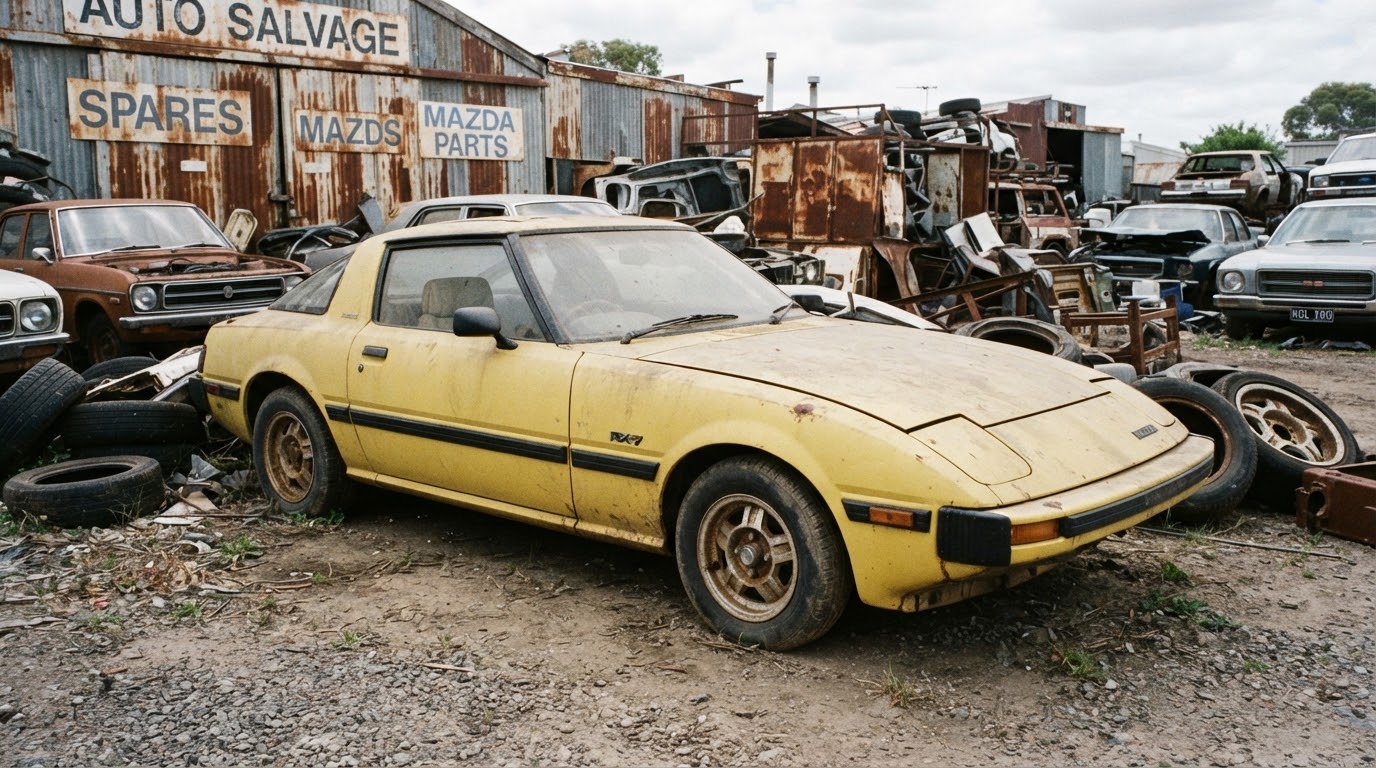
Used parts are not just about saving money. Sometimes they are the only option. Mazda no longer produces certain components for the older rotary engines. A specialist who has been in the game for years will have a stash of NOS gaskets, rare manifolds, and even complete 3-rotor and 4-rotor assemblies. These are not things you find on a general parts website. You need someone who has built relationships with suppliers like Remy Manufacturing and MazdaParts Australia to source the hard-to-find items.
The Rebuild Process: Why Experience Matters
Rebuilding a rotary engine is not for the faint of heart. Every component must be measured and matched. The side housing must be flat within microns. The apex seal must slide freely in its groove without binding. A mismatch of just a few thousandths of an inch can cause a seal to chatter at high RPM, leading to failure. Specialists develop a feel for these tolerances. They know that a new crankshaft might need to be polished slightly to remove machining marks before it will seat the bearings properly.
I once watched a specialist rebuild an RX-8 engine from a pile of parts. He did not use a torque wrench for every bolt. He used his experience. He knew that the factory torque values are a starting point, not a rule. On some housings, the bolt holes stretch over time. A specialist accounts for that. They also know which generics to avoid. Not all RTV sealants are safe for rotary engines. Some break down under the heat and pressure, contaminating the oil system. A good specialist uses a sealant that is proven to hold up in a high-temperature, high-vibration environment.
Common Myths About Rotary Engines
There is a persistent myth that rotary engines are unreliable. The truth is more nuanced. Many failures come from improper assembly or poor maintenance. A rotary engine needs its oil changed on schedule. It needs the correct grade of oil. It needs the cooling system to be in good shape. Overheat a rotary even once and the side housing can warp. That is not a design flaw. That is operator error.
Another myth is that a rebuilt rotary is a gamble. In reality, a properly rebuilt rotary from a reputable specialist can be more reliable than a factory original. The specialist has the chance to correct any known weaknesses. They can upgrade the apex seal material, improve the oil injection nozzles, or fit a stronger crankshaft. They can also balance the rotating assembly more precisely than the factory did. That is the kind of value you get when you work with people who do this every day.
The Practical Side: What to Expect When You Visit a Specialist
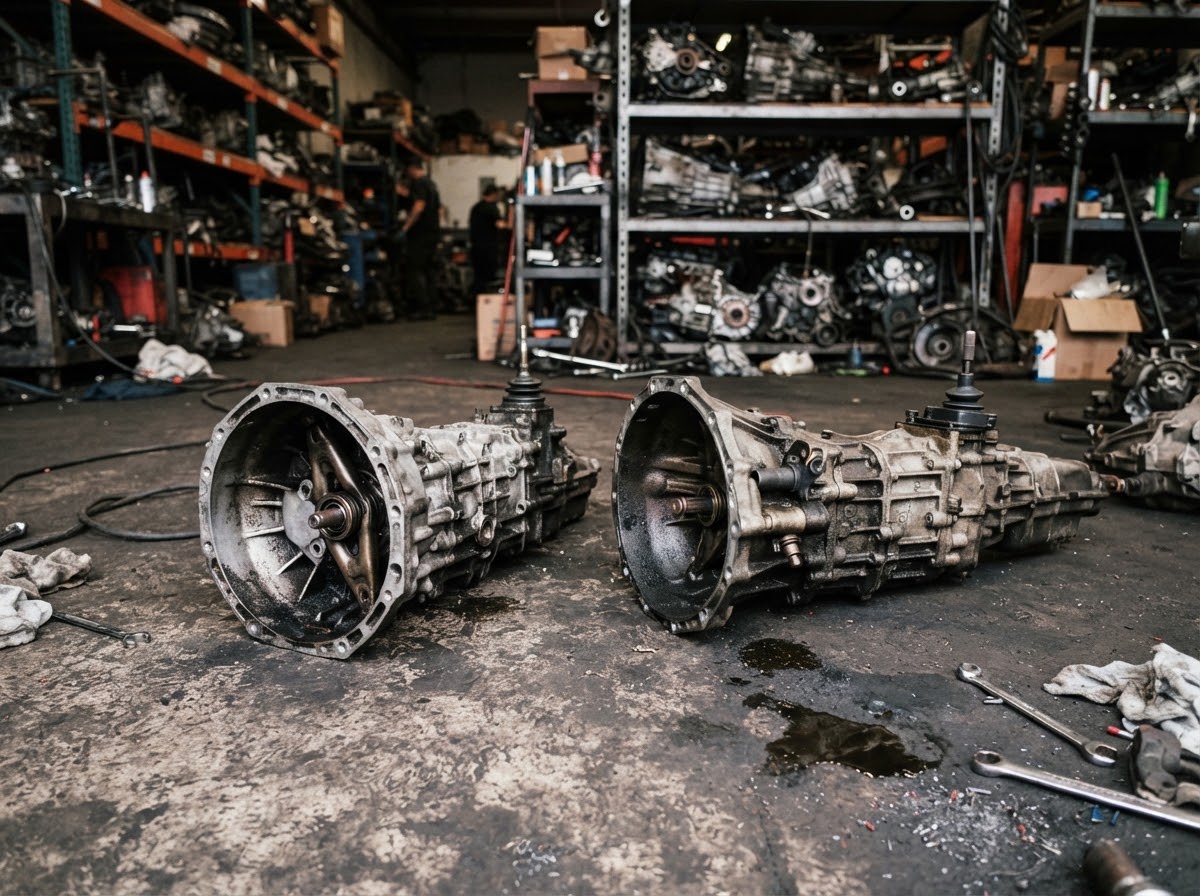
If you are in Melbourne and you need a rotary engine serviced or a set of used parts, you can expect a different experience from a regular garage. The shop floor will likely have a few stripped-down engine cores on the bench. The staff will talk to you about your car, not just your wallet. They might ask whether you drive a Mazda RHD import or a local model because the parts are not always interchangeable.
Do not be surprised if they ask whether you have a 3-rotor or 4-rotor setup. Those are rare, but they exist. The specialist will know which components are shared and which are unique. They might even have a complete 3-rotor assembly sitting on a shelf, waiting for the right project. That kind of inventory is built over decades, not months.
When you buy an engine core from a specialist, you are not just buying a hunk of metal. You are buying their knowledge of that specific block. They can tell you whether it was pulled from a car that had a hard life or a gentle one. They can point out the casting date and the factory that made it. That information helps you decide whether to rebuild it yourself or send it out for a professional rebuild.
Building a Long-Term Relationship
The best way to keep a rotary-powered Mazda on the road is to build a relationship with a specialist. You will need them more than once. Maybe the first time is for a simple part. The second time is for a rebuild. The third time might be for advice on an upgrade. A specialist who remembers your car and your preferences is worth more than a discount on parts.
I know owners who drive two hours just to visit a specific shop because the staff there know the quirks of their particular model. That level of service is not available from a generic parts supplier. It comes from years of working with these engines and the community that loves them. The best rotary engine specialists do not just sell parts. They preserve a piece of automotive history.
Final Thoughts
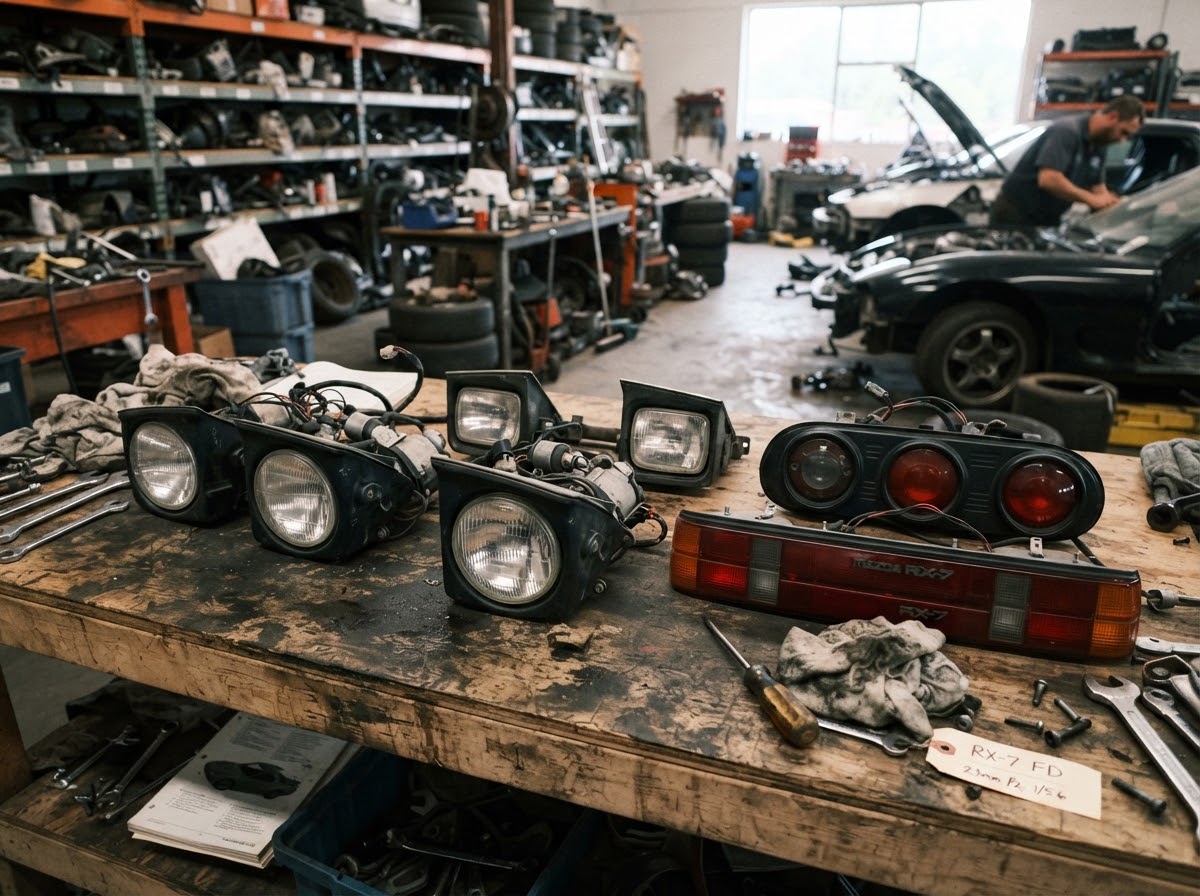
Whether you are restoring an RX-7, maintaining an RX-8, or building something wild like a 4-rotor project car, the right support makes all the difference. A specialist who knows the difference between a 13B-REW and a 13B-MSP can save you time, money, and frustration. They have the used parts, the engine cores, and the rebuilt rotary experience that a general shop simply cannot match.
If you are serious about your Mazda, find a specialist you trust. Ask them questions. Let them guide your build. And remember that the knowledge they share is just as valuable as the parts they sell. That is what keeps these incredible engines running for another generation.